Monty Tiberius Beauregard-Hayes returned from his nighttime excursion with Dr. Elena Vargas, his mind reeling. The mermaid’s lament, so full of sorrow and raw power, had done more than just confirm a legend; it had delivered a profound, heartbreaking message. This wasn’t a mystery to be solved or a cryptid to be cataloged. It was a cry from a dying world, a tragedy Monty felt compelled to chronicle and, if possible, to reverse.
He sat at a small cafe on Duval Street, the aroma of Cuban coffee and fresh pastries doing little to soothe his troubled mind. His first instinct was to write an article, a powerful piece that would lay bare the truth of the mermaid’s existence and her connection to the dying coral. He scribbled a title on a napkin: “The Mermaid’s Lament: A Final Plea from the Deep.”
But a part of him hesitated. An article about a real mermaid would do more than just raise awareness; it would cause a frenzy. The media, the government, thrill-seekers—they would all descend upon Key West, turning a fragile, sacred place into a chaotic spectacle. The mermaid’s safety, and the reef’s, would be at greater risk than ever.
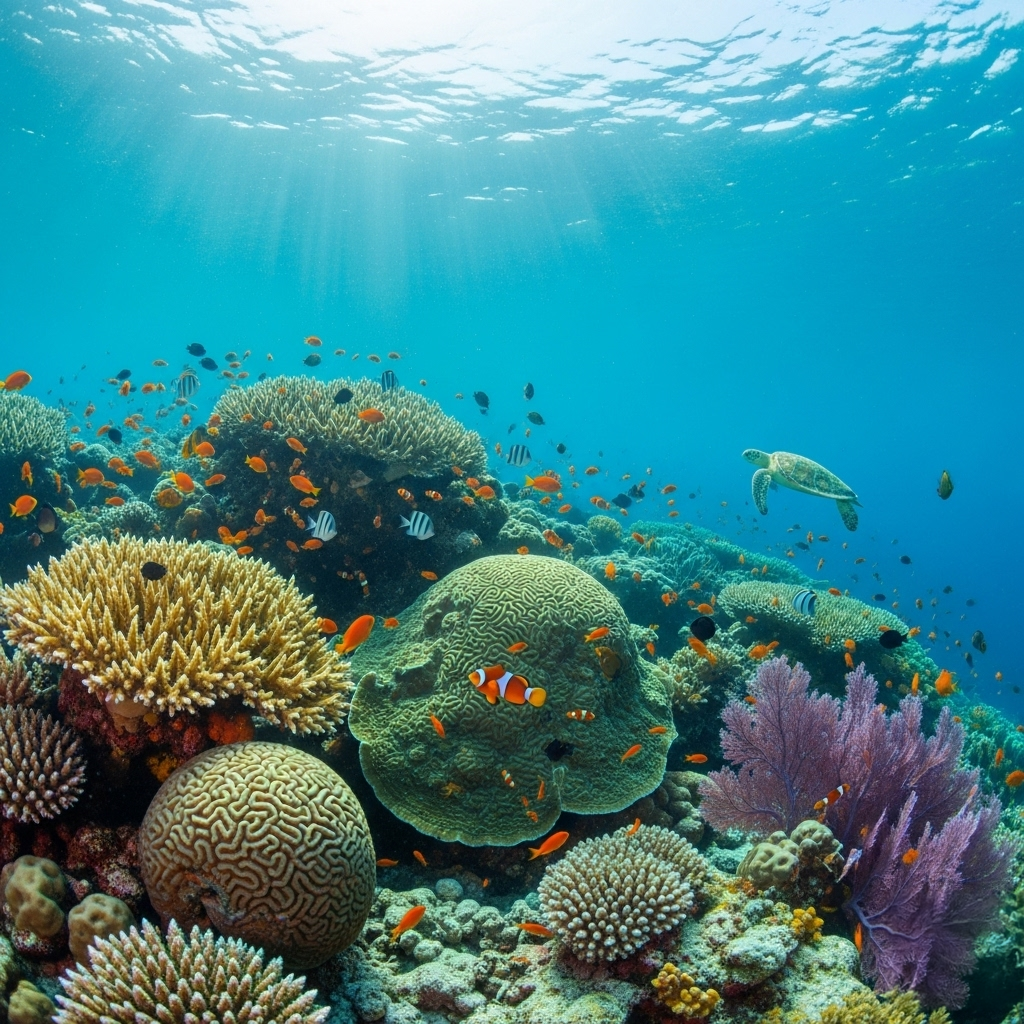
He decided on a different approach. He met with Dr. Vargas again, her eyes showing a shared weariness and a fierce resolve. They agreed to collaborate on a new kind of article, one that would use the mermaid’s lament as a powerful metaphor. The piece, to be published in a scientific journal and then picked up by Shane Hammer at the local paper, would focus on the alarming rate of coral bleaching and the “phantom sounds” of distress recorded on their hydrophones.
“We can’t tell them it’s a mermaid,” Monty explained, his voice low. “But we can describe the song. We can say it’s an ‘unidentified bio-acoustic signature,’ a unique frequency of sound that has never been recorded before. We can say it’s a cry of distress from the ocean itself.”
The article was a masterpiece of subtle truth and scientific fact. It spoke of the symbiotic relationship between the ancient songs of the sea and the health of the coral. It included graphs and charts, but its core message was a plea for humanity to listen to the ocean’s silent screams. Shane Hammer, intrigued by Monty’s newfound poetic tone, titled the piece for his paper: “The Coral’s Echo: Scientists Record the Sea’s Cry for Help.”
The article had a profound effect. It went viral, not because of the mermaid, but because of its powerful, emotionally resonant message. It struck a chord with people, transforming the abstract concept of climate change into a tangible, mournful wail. Donations poured into marine conservation funds, and local grassroots efforts to restore the reef suddenly found an outpouring of support.
Two weeks later, Monty and Dr. Vargas returned to the reef. The hydrophone, once again lowered into the water, picked up the mermaid’s song. But this time, it was different. It wasn’t a cry of grief. It was quieter, a hopeful, melodic hum. It was a song of thanks.
As they listened, Monty saw her again. The shimmering shape, the flash of green and silver. But this time, she didn’t just disappear. She swam gracefully, slowly, around their boat, her form a beacon of light in the dark water. The mermaid had heard them. She had seen their efforts, and she was responding. It was a moment of profound beauty and bittersweet hope.
The coral was still dying, and the ocean was still in peril. But for the first time in a long time, there was a glimmer of hope, a shared acknowledgment that there was still something left to fight for. The mermaid’s lament had been heard. It was no longer a silent cry from the deep, but a chorus of human action, a testament to the powerful, unifying magic of a single, mournful song.