After the surreal encounters in the Everglades and a bizarre run-in with fairies at a Ren Faire, Monty Tiberius Beauregard-Hayes sought refuge in a place where the weirdness was not only tolerated but celebrated: Key West. Here, amidst the pastel-colored houses and the perpetual scent of salt and rum, he hoped to find a sanctuary from the supernatural, a place where the strangest things were just eccentric tourists and six-toed cats.
His sense of normalcy lasted a full twenty-four hours.
He was sitting on the back porch of his guesthouse, sipping a limeade and listening to the distant strains of a steel drum band, when his attention was caught by a peculiar sound. It was a high, mournful wail, carried on the sea breeze. It wasn’t the sound of a buoy or a boat horn; it was melodic, almost musical, and filled with an aching sadness. Locals called it the “Ghost of the Coral Reef,” a sound that was said to precede the worst of the summer squalls.
Monty, however, recognized it. It was the sound of a siren, or more specifically, a mermaid. He’d read countless ancient journals that described their songs as being both beautiful and soul-crushingly sorrowful.
He spent the next few days asking around, not about ghosts, but about strange, new creatures. He spoke to grizzled fishing captains, eccentric artists, and seasoned bartenders. No one had seen a mermaid, but many had heard the song, and they all agreed on one thing: it was getting louder and more frequent.
His investigation led him to a small, cluttered marine biology lab run by an elderly, sun-wrinkled scientist named Dr. Elena Vargas. Dr. Vargas was a local legend, a woman who had dedicated her life to the study of the Florida Keys’ delicate ecosystem. She looked at Monty with an expression of weary understanding when he mentioned the mermaid’s song.
“It’s not a ghost, Mr. Beauregard-Hayes,” she said, her voice raspy from a lifetime of salt and sun. “It’s real. I’ve been tracking it on my hydrophones for weeks. It’s not a song of sorrow, not anymore. It’s a lament. It’s crying for the coral.”
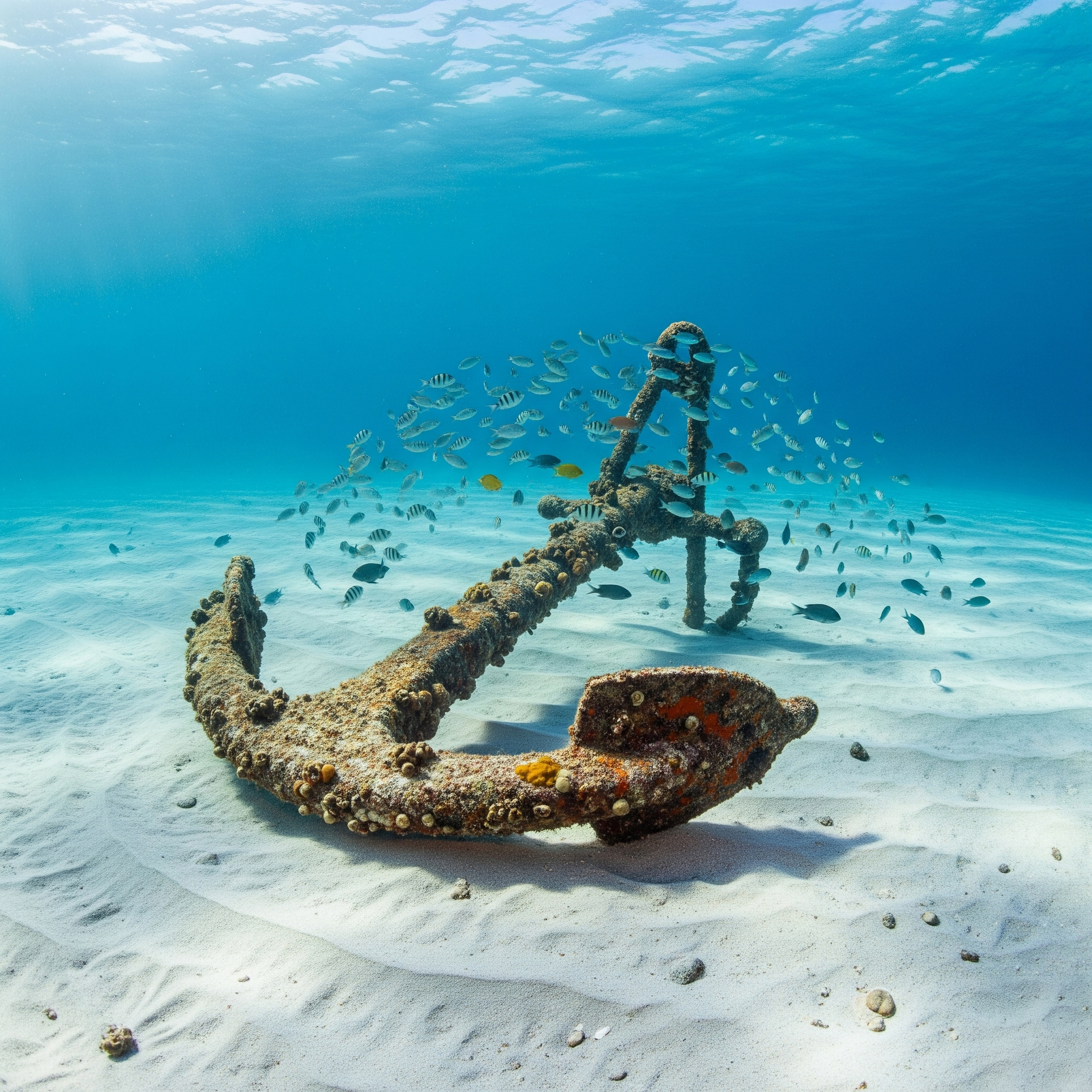
Dr. Vargas explained her theory: the mermaid, a reclusive and perhaps the last of its kind in the Keys, was singing in protest and sorrow over the rapidly dying coral reefs. The song, once a mournful melody, was now a loud, desperate cry as its home was slowly being bleached and destroyed.
That night, Monty and Dr. Vargas took a small, silent boat out to the reef. The water was unnaturally still, the moon casting a silver sheen on the surface. They lowered the hydrophone, and the sound filled their headphones: a powerful, heart-breaking melody that pulsed with grief. The song was a powerful, psychic echo of a dying world.
Then, for a fleeting moment, a shape moved beneath the surface, too fast for a human, too graceful for a dolphin. A flash of iridescent green and silver, and then it was gone. The song, however, grew louder, more urgent. It was pleading.
Monty felt a familiar rush of awe and sadness. This wasn’t a cryptid to be debunked or a phenomenon to be explained away. This was a living, breathing creature, a part of the world’s magic, in mourning. The mermaid’s lament was a living, breathing SOS, a desperate plea for the planet’s most fragile and beautiful ecosystem.
Monty knew his next article couldn’t be about a ghost or a legend. It had to be about the lament itself, a powerful piece about the magic that exists in our world and the tragedy of its slow, quiet disappearance. He had come to Key West to escape the bizarre, but the bizarre, in its most beautiful and sorrowful form, had found him. And this time, he wasn’t just a chronicler of the strange; he was a witness to a tragedy. The mermaid’s song, once a haunting melody of the sea, was now a powerful call to action.