Professional Part-Time Researcher Attempts to Debunk Acoustically Invisible Phenomenon
Weeks after the impossible “Ghost Ring” encounter, Monty Tiberius Beauregard-Hayes, the town’s resident professional part-time paranormal researcher, was suffering a crisis of faith in his own equipment. He was visibly exhausted, having spent his part-time hours trying to rationalize the undeniable efficacy of a dried mangrove root and the subsequent acoustic failure at Fisheye Point. He was alone now; Detective Robinson had suddenly taken a “personal leave of absence,” leaving Monty to face the rising tide of local oddities solo.
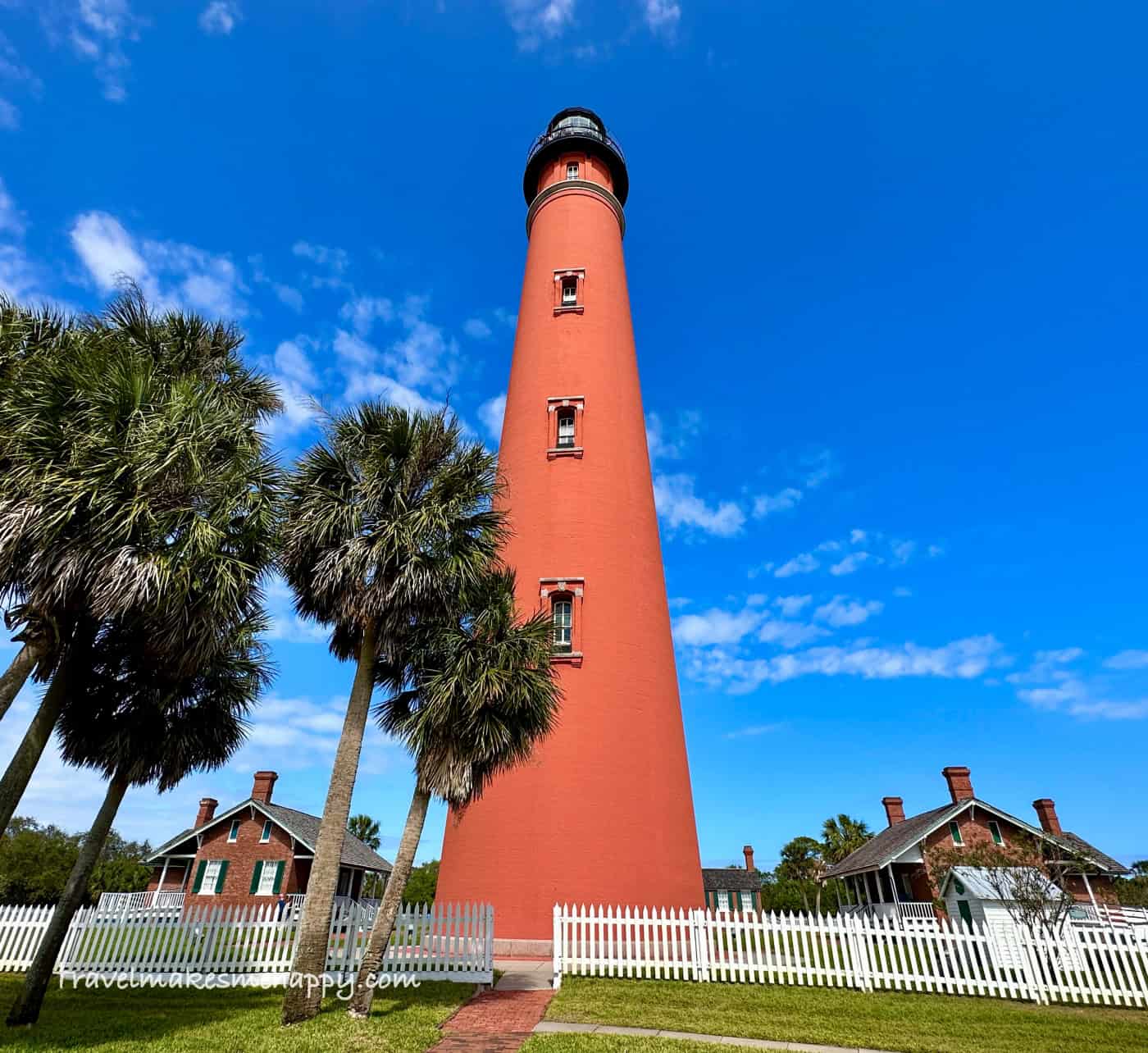
His focus remained the Fisheye Point Lighthouse. For two nights, sailors and tourists alike reported hearing a clear, sorrowful melody issuing from the supposedly automated structure. Monty’s initial assessment was rational: “It’s likely the lighthouse horn’s valve is jammed, causing a harmonic resonance under specific wind conditions.” He needed to prove it.
Arriving at the weathered, salt-pitted tower, Monty hauled his specialized equipment—high-frequency audio recorders, a seismometer, and a full meteorological kit—up the metal spiral stairs. “It’s a specific frequency,” Monty muttered, adjusting the microphone’s sensitivity. He was attempting to cling to the scientific method with the fierce grip of a drowning man. “If it’s a spirit, it’s a measurable energy pattern, nothing more.”
Monty, the professional part-time paranormal researcher, meticulously sealed the sound booth at the top, eliminating external interference. For a time, there was only silence, punctuated by the mechanical swish of the lamp rotating. Monty took copious notes, detailing the ambient temperature, humidity, and barometric pressure.
Then, it began. Not a mechanical moan, but a clear, heartbreaking soprano, rising from the stone structure itself. It wasn’t loud, but it filled the small booth with an inescapable sorrow. Monty’s equipment, however, remained stubbornly silent. His primary audio screen displayed a flat, unwavering green line. The music was clear in his ears, but his instruments registered absolute zero decibels.
“Acoustically invisible,” Monty whispered, his voice laced with genuine panic. He realized the chilling truth: the sound wasn’t moving through the air; it was moving through memory. The singing was an internal experience, a psychic echo tied to the stone itself. This was the precise opposite of “bad physics.”
In a moment of desperation, Monty abandoned his scientific training entirely. He reached into his gear bag, not for a thermometer, but for a small, unscientific vial of holy water he’d packed on a hunch—an embarrassing concession to the truth of the mangrove root incident. He dabbed a drop onto the brass railing. The music immediately cut off, replaced by a momentary, sharp hiss that registered only on the ambient humidity sensor.
Monty stared at the flat audio line, then at the smoking brass. He packed up quickly, already fabricating his report around a plausible “corrosion-induced sonic anomaly.” But as he drove away, the professional part-time paranormal researcher knew he had failed to rationalize the singing lighthouse. He had debunked hundreds of cases, but now he was only stumbling into things he couldn’t explain.