The wooden boardwalks of the wild bird sanctuary in Islamorada wound through a dense canopy of red mangroves, the humid air thick with the scent of low tide, drying seaweed, and fish scraps. Monty Tiberius Beauregard-Hayes walked along the shaded path, his leather-bound notebook tucked under his arm, listening to the cacophony of squawking gulls, chattering terns, and the low hoots of rehabilitating owls.
He had come to the Florida Keys for a quiet afternoon of avian observation, but trouble always seemed to find him in the mangroves.
At the edge of a large, waterfront enclosure designed for recovering brown pelicans and great blue herons, a young sanctuary volunteer named Mateo was nervously gripping a plastic bucket of pilchards. Beside him stood Dr. Evelyn Reed, the sanctuary’s head avian veterinarian, who was pinching the bridge of her nose in deep frustration.
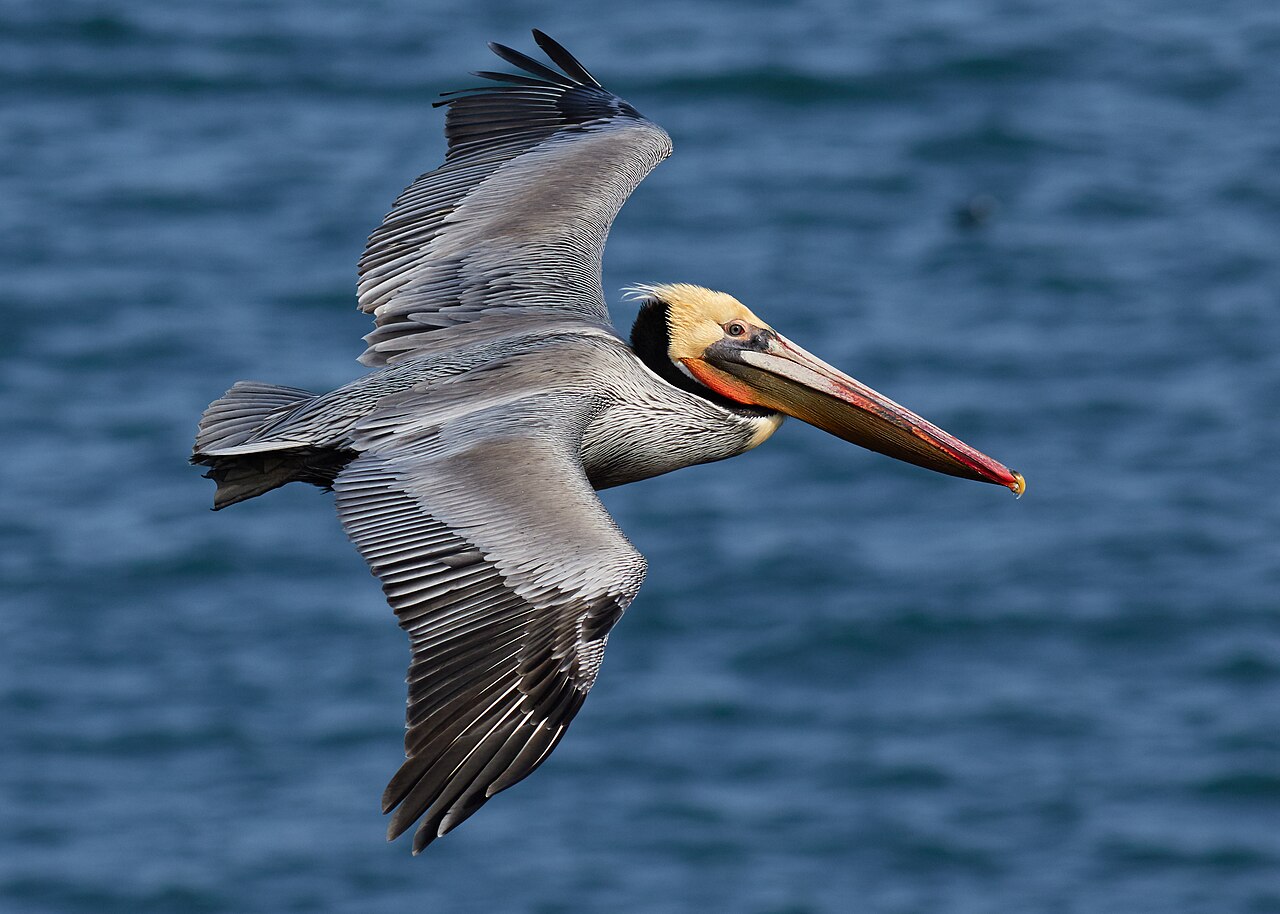
Inside the enclosure, absolute chaos reigned. Instead of wading into the shallow saltwater pool to feed, the massive birds were clinging desperately to the heavy wire mesh of the walls, flapping their clipped wings in a panic and refusing to touch the ground.
“I am telling you, Dr. Reed, it is the Matecumbe Specter,” Mateo insisted, his eyes wide. “The old locals say the ghost of a wrecked Spanish privateer haunts this stretch of the bay. The birds can see it standing in the water. They’re terrified.”
The Panicked Pelicans
Monty stepped up to the wooden railing, adjusting his silver-rimmed glasses as he observed the frantic pelicans. “A fascinating theory, Mateo. However, avian visual spectrums, while incredibly sharp, do not typically process ethereal sixteenth-century pirates. When did this behavior start?”
Dr. Reed looked over at Monty, too exhausted to question the sudden arrival of a stranger in a tweed vest. “Right at high tide. Everything was fine this morning. But for the last three days, the moment the bay water creeps up through the limestone and fills the enclosure’s natural pool, the birds completely panic. If they stay on the fence all afternoon, they are going to damage their healing wings.”
Monty pulled his notebook from under his arm, sketching the layout of the enclosure and its proximity to the open bay. He noted the small, motorized aeration pump sitting on a concrete block nearby, designed to keep the pool water oxygenated when the tide was slack.
“They aren’t avoiding a ghost, Doctor,” Monty said, pulling a set of heavy rubber galoshes and a basic analog multimeter from his canvas travel bag. “They are avoiding an invisible hazard. Saltwater is an exceptionally efficient conductor.”
The Conductive Tide
Mateo took a hesitant step back from the wire fencing. “A conductor for what?”
“Stray voltage,” Monty replied, pulling the rubber boots over his shoes. “Birds are highly sensitive to electromagnetic fields and electrical currents. If a loose wire or a faulty ground is bleeding AC current into the tidal water, the pelicans aren’t seeing a ghost. They are getting mildly electrocuted the moment their webbed feet touch the pool.”
Dr. Reed frowned, looking at the aeration pump. “But that pump is on a dedicated GFCI outlet. If it were shorting out, the breaker would trip immediately.”
“Assuming the current is coming from your equipment,” Monty noted, stepping carefully through the enclosure gate. The panicked birds squawked, climbing higher on the wire mesh.
Monty waded into the shallow edge of the pool, the thick rubber of his boots insulating him from the water. He dipped the positive and negative leads of his multimeter directly into the murky saltwater. The analog needle instantly spiked, registering a steady, pulsing twenty-four volts.
“You have a live current, Doctor,” Monty called out over his shoulder. He slowly walked the perimeter of the pool, watching the needle fluctuate. As he moved away from the sanctuary’s aeration pump and closer to the property line separating the bird center from an old, neighboring residential dock, the voltage spiked higher.
Grounding the Specter
Monty traced the current to the far corner of the mesh, where the mangrove roots tangled against the neighbor’s aging wooden seawall. Pushing aside a heavy curtain of Spanish moss, he spotted the culprit: a submerged, heavy-duty extension cord running from the neighbor’s property to an underwater snook light. The waterproof casing on the cord had been chewed completely through, likely by a curious green moray eel or a restless crab.
“Your neighbor’s underwater fishing light has a compromised line,” Monty explained, pointing the handle of his multimeter at the frayed wire. “When the tide comes in, the saltwater bridges the gap between his dock and your enclosure. It is electrifying the entire pool.”
Dr. Reed didn’t hesitate. She grabbed a wooden boat hook from the boardwalk railing, leaned over the property line, and violently yanked the neighbor’s extension cord completely out of its outdoor socket.
The heavy cord splashed dead into the bay.
Monty checked his multimeter. The needle dropped instantly to zero.
Almost immediately, a large brown pelican tentatively fluttered down from the wire mesh, landing softly in the shallow water. It paddled around for a moment, ruffled its feathers, and greedily scooped up a floating pilchard. Within seconds, the rest of the flock followed, splashing happily in the now-safe pool.
Mateo let out a long breath, dropping his bucket of fish. “So… no Spanish pirate?”
“Just a pirate of the electrical code, Mateo,” Monty said with a faint smile, wading out of the pool and removing his rubber boots. “The mysteries of the mangroves are rarely supernatural, but they certainly require a grounded perspective.”
Dr. Reed offered a grateful, weary smile. “I don’t know who you are, Mr…”
“Beauregard-Hayes,” Monty said, tipping his hat as he packed his multimeter away. “Just a part-time investigator with a fondness for local history and proper wiring. Now, if you’ll excuse me, I believe I have some peaceful birdwatching to get back to.”